

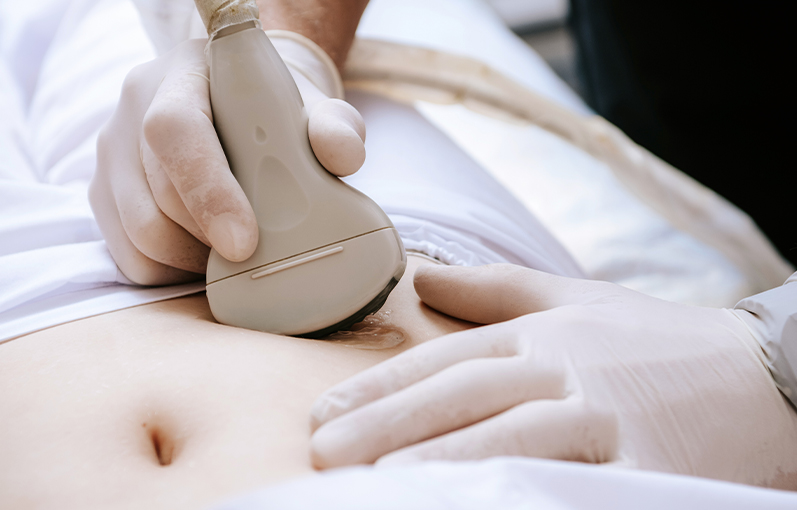
Ultrasound scans
If you have concerns about your baby’s size or well-being we will organise an ultrasound scan to check that your baby is growing appropriately. Most women will not need any ultrasound scans after their 18 to 20 week anatomy scan. A few women may need several scans to monitor all is well with baby. If you go past your due date then ultrasound scans will be arranged to check that there is still plenty of amniotic fluid around baby.
Cardiotocography (CTG)
Sometimes in late pregnancy it is important to check all is well with baby using a CTG machine that monitors baby’s heart beat pattern and movement. This is particularly helpful if you are still pregnant after your due date or there are worries about baby’s movements.
Blood tests
Most women don’t need any blood tests after their polycose test. Women who are rhesus negative or have blood group antibodies will usually have further tests at 34 to 36 weeks. Women with blood pressure problems, diabetes or other medical problems may need regular blood tests towards the end of their pregnancy.